How does Ageism Affect Healthcare?
Ageism comes in many different shapes and forms. Ageism can range from inadvertently avoiding eye contact with older adults to refusing to provide healthcare services to the elderly. Regardless of the severity of the discrimination, understanding how societal prejudices affect healthcare delivery is essential in creating a safe healthcare ecosystem for all generations.
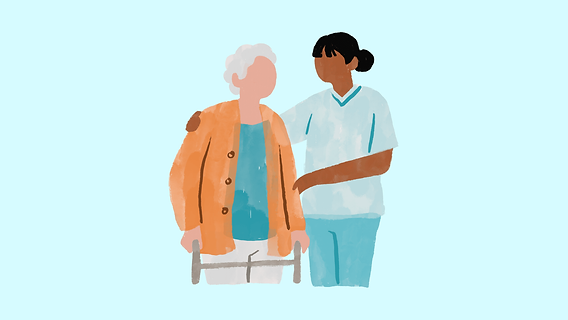
A Nature report from 2025 found that ageism affects older patients physiologically, psychologically, and behaviorally. Take a look to find out more about how ageism affects healthcare outcomes!
Effects of Healthcare | Experimental Conditions | Results |
Physical Effects | The study used vagally mediated HRV (heart rate variability) as a measurement of physical health, since a low HRV score has been associated with stress and cardiovascular mortality in other stigmatized groups. | Among the 64 elderly participants in this experiment, those who experienced healthcare discrimination had a larger decrease in HRV than those who did not. |
Psychological Effects | The study examined the relationship between patient trust and psychological health. | The elderly who experienced discrimination had lower levels of trust in the healthcare provider than the elderly who did not experience discrimination. |
Behavioral Effects | Previous studies reported that victims of discrimination were much more likely to take part in "unhealthy behaviors," such as substance abuse, sleep deprivation, and avoiding regular medical checkups. | There was increased avoidance of the experimental healthcare worker in the elderly who experienced ageism. |
Although this study alone cannot account for all of the possible consequences of ageism in healthcare, it shows a glimpse of how one's personal biases can, and do, interfere with healthcare delivery.
How Is This Relevant To Teenagers?
There is a very common misconception regarding ageism: ageism only affects the elderly.
However, this belief could not be farther from the truth.
In reality, children, even those who do not yet have the words to describe this bias, internalize ageism from as young as 4 years old. As a result, these biases eventually form the worldview from which children perceive others and themselves.
Ageism can also affect young adults and teenagers (like you and me)! Ageism exists in the workplace, where there are implicit social hierarchies that limit young employees' roles. Ageism exists in young adults who are afraid to take risks, simply because they have been taught that they are too "old" to change routes.

Truly, this issue is not limited to one sector, one country, or even one generation. Ageism has seeped into every crevice of our lives, impacting both the 1.4 billion elderly in the world and the other 6.9 billion who have also been affected by the cycle of ageism. Ageism is not only a healthcare issue but also a societal one that dismantles the trust between generations.
What Can I Do to Combat Ageism in Healthcare?
Now that we understand the widespread and destructive nature of ageism, what can we, as teenagers, do to combat such issues? Here is a list of several action items that can promote societal change.
Advocate for laws that promote fair healthcare delivery for all age groups.
In the United States, high school students can intern with paralegals or attorneys. In these internships, teenagers can attend trials and organize service programs in their local community.
Although youth advocacy may have its limits (e.g., having a hard time finding others who support your cause), teenagers are at a unique stage of life that allows them to connect with both adults and children.
Raise awareness of ageism.
Whether you believe it or not, a simple speech uploaded to YouTube, spoken to your classmates, or posted on your medical blog (just like I did!) can illuminate the detrimental consequences of practicing ageism.
Raising awareness both helps individuals recognize the significance of this issue and motivates them to proactively reform their unconscious biases.
Connect with individuals from different walks of life.
Teenagers are at the cusp of childhood but still a step away from adulthood. This unique standing provides them with the social skills to communicate with the elderly and the long-term thinking skills that allow them to teach children the dangers of ageism.
Overcoming biases is a two-way street; it requires the "teacher" to show compassion to those who are biased, but also the "student" to learn how detrimental biases can be. Embrace being in the position of both a teacher and a student.
All in all, ageism is not an issue that can be solved overnight. However, youth advocacy can bridge communities from all walks of life.
References
World Health Organization:
Nature:
Image Credits
Other images were created using Canva.
© 2025 Kaylyn K. | All rights reserved
Originally published at themedtales.com


Comments