Monitoring Nociception During Anesthesia with the PMD-200
Anesthesia is a medical treatment that temporarily blocks pain and other senses during surgery. When it is implemented in surgical procedures, physicians must maintain adequate analgesia. Patients are unconscious and therefore cannot tell whether they feel pain or stress during treatment. Due to the lack of verbal speech or facial expressions, doctors usually use changes in the body, such as heart rate, blood pressure, and other signs of physiological signs, to judge whether enough pain-relieving medicine is sufficiently provided to the patient. However, these signals are not easy to interpret.
Medasense’s PMD-200 is a non-invasive monitoring system that is used by doctors to provide a more objective way to measure the body’s response to painful surgical stimulation. This is done by combining several physiological signals with a score called the Nociception Level Index. This measure helps doctors to support decisions about analgesia.
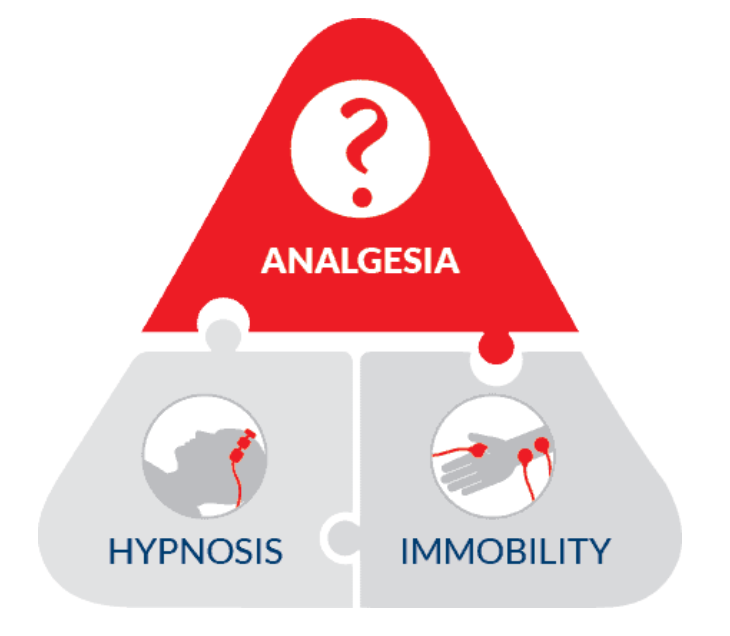
Pain and nociception should be thought of as two separate measures. Pain is a subjective experience, while nociception is the nervous system’s response to harmful stimulation. The nervous system reacts to these changes in the body, changing heart rate, blood vessel activity, and sweating. What is extraordinary about the PMD-200 is that it is a non-invasive tool. It uses a finger sensor to collect body signals. These signals are then combined with a score called the NOL, which ranges from 0 to 100. A score of 0 means that there is no nociceptive response, whilst 100 means the response is very strong and high. The PMD-200 helps doctors to make decisions on whether the patient is in need of more or less pain medicine during surgery. The white paper explains that NOL scores above 25 for more than a minute may mean that more analgesia is needed. (Medasense Biometrics, n.d., p.10).
This is especially important for young people, as young people should understand that not only front-line doctors are the ones saving lives through medical operations, but technology and medical instruments are also contributing in some capacity. Many people try to follow their dreams of becoming a doctor who saves patients' lives by performing surgery, but an alternative path to this dream of working in the medical field can be to work in biomedical engineering. Therefore, young people who are interested in both medicine and technology should understand that they do not have to choose one path and that they can support patients and improve healthcare without necessarily becoming doctors.
The PMD-200 is a non-invasive monitor that assists doctors in providing an approximate measure of nociception during anesthesia. By combining several physiological signals and NOL scores, it can give doctors a better chance of surgical success and decrease medical accidents overall.
References
Medasense. (2024, February 7). NociCeption Monitor | PMD-200TM | MedaSense. https://medasense.com/pmd-200/
Monitoring Nociception using NOL® during Anesthesia. (n.d.). https://medasense.com/wp-content/uploads/NOL-Algorithm-White-Paper_US-LETTER-WEB.pdf
Weissbrod, R., & Blake, C. (2024). Initial validation of the NOL Nociception Level Index monitoring system in Black and multiracial people. Medical Devices: Evidence and Research, 17, 465-469,
© 2026 Kaylyn K. | All rights reserved
Originally published at themedtales.com


Comments